
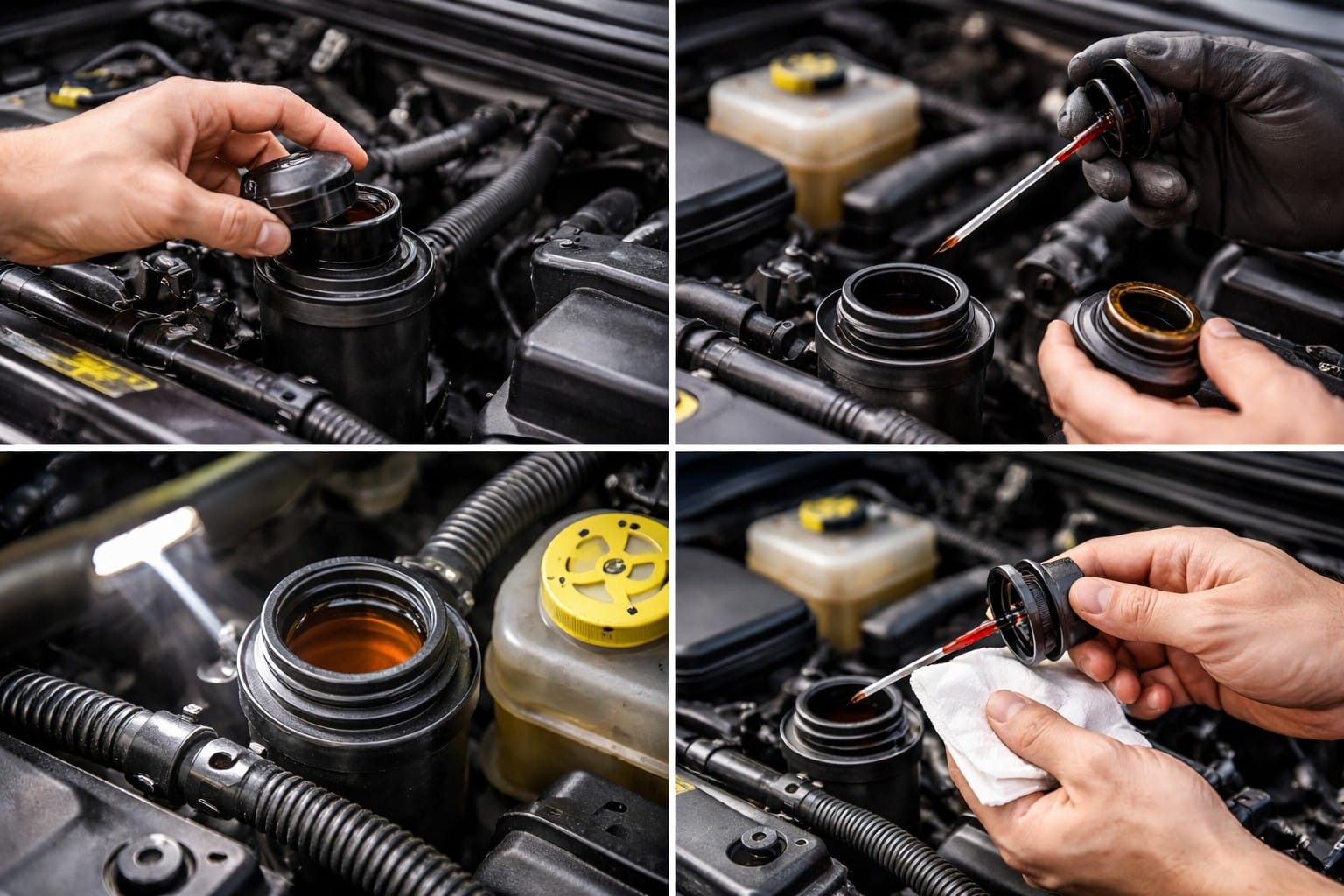
Checking your power steering fluid is a quick, easy maintenance task that can prevent costly repairs and keep your steering responsive. By learning the right steps and knowing what to look for, you’ll ensure your vehicle handles smoothly and safely on every drive.
Key Takeaways
- Check fluid regularly: Inspect your power steering fluid every 3–6 months or during routine oil changes to catch issues early.
- Use the correct fluid: Always refer to your owner’s manual—using the wrong type can damage the system.
- Look for proper levels: The fluid should be between the “MIN” and “MAX” marks on the dipstick or reservoir.
- Watch for warning signs: Whining noises, stiff steering, or leaks mean it’s time to check and possibly top off the fluid.
- Clean the reservoir cap: Dirt and debris can contaminate the fluid, so wipe the cap before opening.
- Top off safely: Add fluid slowly and avoid overfilling—too much can cause foaming and poor performance.
- Know when to seek help: If the fluid is low repeatedly or smells burnt, have a mechanic inspect the system.
📑 Table of Contents
Why Checking Power Steering Fluid Matters
Your car’s power steering system makes turning the wheel effortless—especially at low speeds or when parking. Without proper fluid levels, that smooth, responsive feel can turn into a stiff, jerky, or even dangerous driving experience. That’s why knowing how to check power steering fluid like a pro isn’t just a nice-to-have skill—it’s essential for safe and reliable vehicle operation.
Many drivers overlook this simple maintenance task, assuming that if the car steers fine, everything must be okay. But power steering fluid degrades over time, leaks can develop, and air can get trapped in the system. A quick check every few months can help you spot problems before they lead to expensive repairs or leave you stranded. Plus, it takes less than five minutes and requires no special tools. Think of it as giving your car a little love—and yourself peace of mind.
What Is Power Steering Fluid and How Does It Work?
Power steering fluid is a hydraulic fluid that transfers pressure from the steering wheel to the wheels, allowing you to turn with minimal effort. In most modern vehicles, this is done through a hydraulic pump driven by the engine. When you turn the wheel, the pump sends pressurized fluid to a piston or rotary valve, which helps move the wheels in the desired direction.
Types of Power Steering Fluid
Not all power steering fluids are the same. The three main types are:
- ATF (Automatic Transmission Fluid): Commonly used in older domestic vehicles like Ford, GM, and Chrysler models. Look for Dexron or Mercon specifications.
- Synthetic Power Steering Fluid: Found in many newer imports and luxury vehicles. It’s designed for high performance and longer life.
- Universal Power Steering Fluid: A blend that works in many makes and models, but always double-check your owner’s manual before using.
Using the wrong fluid can cause seal damage, leaks, or even complete system failure. Always consult your vehicle’s owner’s manual or the label under the hood to confirm the correct type.
When Should You Check Power Steering Fluid?
The best time to check your power steering fluid is during routine maintenance—like when you change your oil or rotate your tires. A good rule of thumb is every 3,000 to 5,000 miles or every 3–6 months, whichever comes first.
Signs It’s Time for a Check
Even if it’s not time for your scheduled check, watch for these warning signs that your power steering fluid might need attention:
- Whining or groaning noise when turning the wheel, especially at low speeds.
- Stiff or jerky steering that feels harder than usual.
- Fluid leaks under the front of the car, often near the steering rack or pump.
- Foamy or bubbly fluid in the reservoir, which indicates air in the system.
- Burnt smell coming from the engine bay after driving—this could mean the fluid is overheating or contaminated.
If you notice any of these symptoms, don’t wait—check the fluid right away. Ignoring them could lead to pump failure or steering loss.
Step-by-Step Guide: How to Check Power Steering Fluid
Now that you know why and when to check, let’s walk through the process step by step. It’s easier than you think—and you don’t need to be a mechanic to do it right.
Step 1: Park on a Level Surface and Let the Engine Cool
Start by parking your car on a flat, level surface. This ensures an accurate fluid level reading. If you’ve just driven, let the engine cool for 10–15 minutes. Hot fluid expands, which can give a false high reading. Plus, you don’t want to burn yourself on hot engine parts.
Step 2: Locate the Power Steering Reservoir
Open the hood and look for the power steering reservoir. It’s usually a small, translucent plastic tank near the engine, often labeled “Power Steering” or marked with a steering wheel symbol. In some vehicles, it may be attached to the pump itself. If you’re unsure, check your owner’s manual—it will have a diagram showing exactly where to look.
Step 3: Clean the Reservoir Cap
Before opening the cap, wipe it and the surrounding area with a clean cloth. Dirt, dust, or debris can fall into the reservoir and contaminate the fluid, leading to clogs or pump damage. A little prevention goes a long way.
Step 4: Check the Fluid Level
Remove the cap and look inside. Most reservoirs have “MIN” and “MAX” markings on the side. The fluid level should be between these two lines. Some caps have a built-in dipstick—pull it out, wipe it clean, reinsert it, then pull it out again to check the level.
If the fluid is below the “MIN” line, you’ll need to add more. But don’t overfill—fluid expands when hot, and too much can cause foaming, which reduces steering performance.
Step 5: Inspect the Fluid’s Condition
While you’re checking the level, take a close look at the fluid itself. Healthy power steering fluid is usually clear to light amber in color and has a slightly oily feel. If it’s dark brown, black, or has a burnt smell, it’s time for a fluid change. Milky or foamy fluid indicates water contamination or air in the system—both require professional attention.
Step 6: Top Off if Needed
If the level is low, slowly add the correct type of fluid through the reservoir opening. Use a funnel to avoid spills. Add a little at a time, checking the level frequently. Stop when it reaches the “MAX” line. Replace the cap securely when done.
Pro tip: Keep a small bottle of the correct power steering fluid in your garage or trunk. It’s cheap insurance against unexpected low levels.
Common Mistakes to Avoid
Even simple tasks can go wrong if you’re not careful. Here are a few common mistakes drivers make when checking power steering fluid—and how to avoid them.
Using the Wrong Fluid
This is the #1 mistake. Just because a bottle says “power steering fluid” doesn’t mean it’s right for your car. Always double-check your owner’s manual. Mixing fluids can cause seal swelling, leaks, or pump failure.
Overfilling the Reservoir
Adding too much fluid might seem harmless, but it can cause foaming when the pump circulates it. Foamy fluid doesn’t build pressure properly, leading to poor steering response. Stick to the “MAX” line—no higher.
Ignoring the Dipstick
Some drivers just look at the reservoir level without using the dipstick. But the dipstick gives a more accurate reading, especially in older vehicles. Always use it if your cap has one.
Not Checking for Leaks
A low fluid level isn’t always due to normal use. It could mean you have a leak in the hose, pump, or steering rack. After topping off, keep an eye on the level over the next few days. If it drops again quickly, have a mechanic inspect the system.
When to Replace Power Steering Fluid
Checking the fluid is one thing—knowing when to replace it is another. Over time, power steering fluid breaks down, collects debris, and loses its lubricating properties. Most manufacturers recommend a fluid change every 50,000 to 100,000 miles, but this varies by vehicle and driving conditions.
Signs You Need a Fluid Change
- The fluid is dark, dirty, or has particles floating in it.
- You notice a burnt smell or hear grinding noises.
- Steering feels less responsive, even after topping off.
- Your owner’s manual recommends a change at your current mileage.
Replacing the fluid involves flushing the old fluid out and refilling with fresh fluid. While you can do this yourself with a power steering flush kit, many drivers prefer to have it done by a professional to ensure all old fluid is removed and no air gets trapped in the system.
Conclusion: Stay Safe and Steer Smooth
Learning how to check power steering fluid like a pro is one of the smartest, simplest things you can do for your car. It takes just a few minutes, costs nothing, and can save you from expensive repairs down the road. More importantly, it keeps your steering responsive and your drives safe.
Make it a habit—check the fluid every few months, use the right type, and watch for warning signs. Your car will thank you with smooth turns, quiet operation, and reliable performance. And the next time someone asks, “How do I check power steering fluid?” you’ll be ready to share your expert knowledge.
Frequently Asked Questions
How often should I check my power steering fluid?
Check your power steering fluid every 3–6 months or during routine maintenance like oil changes. If you notice steering issues or hear unusual noises, check it immediately.
Can I use transmission fluid in my power steering system?
Only if your owner’s manual specifies it. Some older vehicles use ATF (automatic transmission fluid), but many newer models require specialized power steering fluid. Using the wrong type can damage the system.
What happens if power steering fluid is low?
Low fluid can cause stiff steering, whining noises, and increased wear on the pump. In extreme cases, it can lead to complete steering failure. Always top off low fluid and investigate the cause.
Is it safe to drive with low power steering fluid?
It’s not recommended. While you may still be able to steer, the increased effort can be dangerous, especially in emergencies. Low fluid also risks damaging the pump and other components.
Can I mix different brands of power steering fluid?
It’s best to avoid mixing brands unless they’re specifically labeled as compatible. Stick to the type recommended in your owner’s manual to ensure proper performance and avoid damage.
How do I know if my power steering pump is failing?
Signs include loud whining or groaning when turning, stiff steering, fluid leaks, or a burnt smell. If topping off the fluid doesn’t help, have a mechanic inspect the pump and system.