
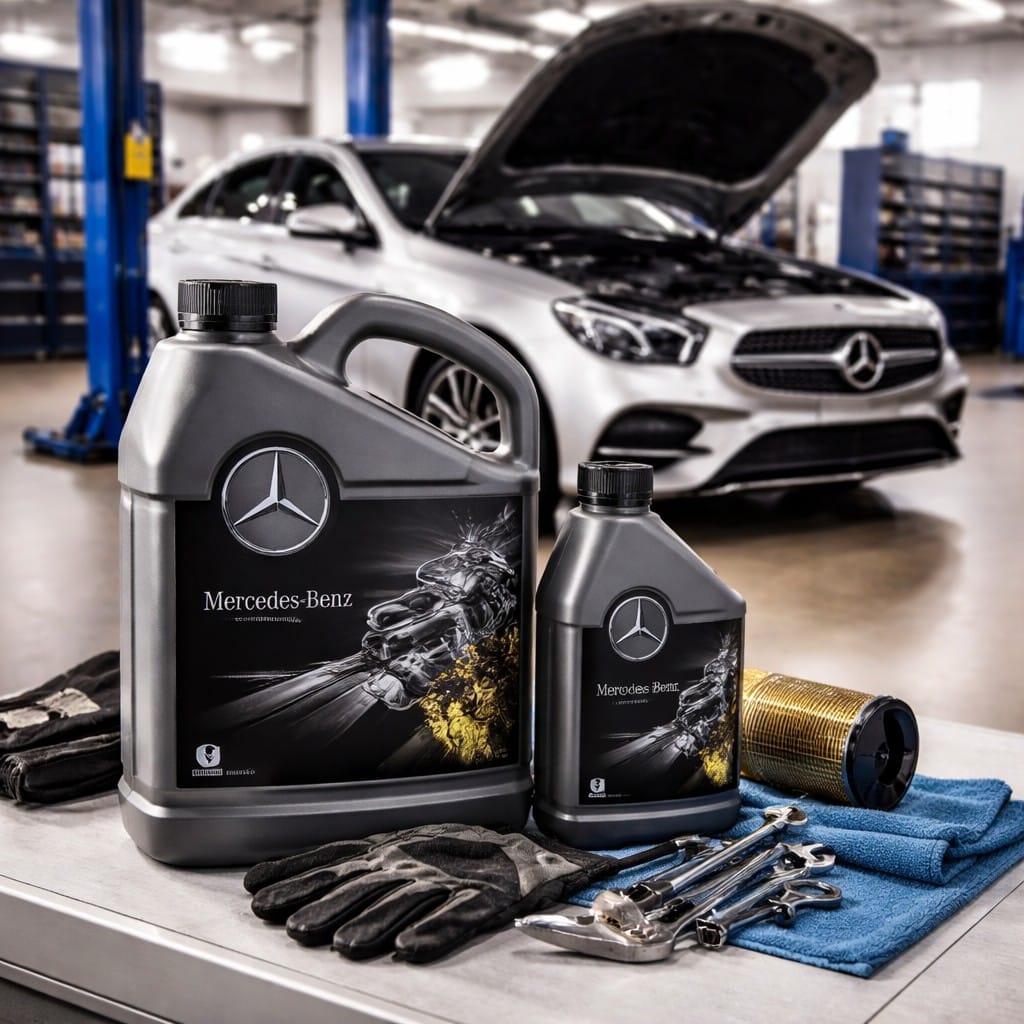
Choosing the right Mercedes Benz engine oil is essential for maintaining performance, fuel efficiency, and engine longevity. This guide covers everything from oil types and specifications to maintenance tips, helping you make informed decisions for your luxury vehicle.
Owning a Mercedes Benz is more than just driving a car—it’s experiencing engineering excellence, luxury, and performance. But even the finest machines need proper care to keep running at their best. One of the most critical aspects of maintaining your Mercedes is choosing the right engine oil. The engine is the heart of your vehicle, and the oil acts as its lifeblood—lubricating parts, reducing friction, cooling components, and preventing sludge buildup.
Using the wrong oil—or neglecting oil changes—can lead to reduced performance, increased wear, and costly repairs. That’s why understanding Mercedes Benz engine oil isn’t just helpful; it’s essential. Whether you drive a sleek C-Class sedan, a powerful AMG GT, or a rugged GLE SUV, the right oil ensures your engine delivers the smooth, responsive performance you expect.
Key Takeaways
- Use only approved oils: Mercedes Benz requires specific engine oils that meet MB 229.52, MB 229.31, or other manufacturer standards.
- Synthetic oil is a must: All modern Mercedes engines are designed for full synthetic oil to ensure optimal lubrication and protection.
- Check oil levels regularly: Even with long intervals, low oil can cause serious engine damage—inspect every 1,000 miles or monthly.
- Follow service intervals: Stick to the recommended oil change schedule based on your driving habits and model year.
- Avoid cheap alternatives: Using non-approved oils may void your warranty and reduce engine performance over time.
- Consider oil viscosity: Use the correct viscosity grade (e.g., 5W-40, 0W-20) as specified in your owner’s manual.
- Monitor for leaks and consumption: Some Mercedes models consume oil—stay alert to warning lights and dashboard alerts.
📑 Table of Contents
Why Engine Oil Matters for Your Mercedes Benz
Your Mercedes engine is a precision-built machine with tight tolerances and high-performance components. Unlike older engines, modern Mercedes powerplants operate under extreme pressures and temperatures. This demands an oil that can withstand stress while maintaining viscosity and protection.
Engine oil does more than just lubricate. It cleans internal parts, prevents corrosion, seals piston rings, and helps regulate engine temperature. In a high-output engine like those found in Mercedes vehicles, even a small drop in oil quality can affect performance. For example, using a conventional oil instead of a full synthetic can lead to sludge formation, especially in turbocharged engines that run hotter.
Moreover, Mercedes engines are designed with advanced technologies like variable valve timing and direct fuel injection. These systems rely on clean, stable oil to function properly. Contaminated or degraded oil can clog oil passages and sensors, leading to reduced efficiency or even engine failure.
Types of Mercedes Benz Engine Oil
Mercedes Benz specifies several types of engine oil, each tailored to different engine designs and driving conditions. The most common categories include:
MB 229.52 Approved Oil
This is the latest and most advanced specification, designed for long-life performance and fuel efficiency. It’s ideal for newer Mercedes models (typically 2017 and later) with turbocharged engines. MB 229.52 oils are low-ash, low-SAPS (Sulphated Ash, Phosphorus, and Sulphur) formulations that protect diesel particulate filters (DPF) and gasoline particulate filters (GPF). They also offer extended drain intervals—up to 15,000 miles or 12 months under normal driving conditions.
MB 229.31 Approved Oil
Common in vehicles from the mid-2000s to early 2010s, this specification balances performance and longevity. It’s suitable for both gasoline and diesel engines and supports up to 10,000-mile oil change intervals. While not as advanced as 229.52, it still requires full synthetic oil and provides excellent engine protection.
MB 229.51 and Older Standards
These older specs are found in vehicles from the early 2000s and earlier. While still effective, they don’t support the extended intervals of newer oils. If your Mercedes uses one of these, stick to the recommended change schedule—typically every 7,500 to 10,000 miles.
Always check your owner’s manual or the oil filler cap for the exact specification. Using an oil that doesn’t meet the required MB standard can void your warranty and damage your engine.
Choosing the Right Viscosity Grade
Viscosity refers to how thick or thin the oil is—and it changes with temperature. Mercedes engines require oils with specific viscosity grades to ensure proper flow in cold starts and protection under high heat.
Common viscosity grades for Mercedes include:
– 5W-40: A popular choice for many models, offering excellent cold-start performance and high-temperature protection. Ideal for performance driving and colder climates.
– 0W-20 and 5W-30: Found in newer, fuel-efficient models like the A-Class and some C-Class variants. These thinner oils reduce internal friction, improving fuel economy.
– 0W-40: Used in high-performance AMG models, providing superior protection under extreme loads and temperatures.
Never guess the viscosity. Using a 10W-40 in a car designed for 5W-30, for example, can lead to poor cold-start lubrication and increased wear. Always match the grade listed in your owner’s manual.
Full Synthetic Oil: Non-Negotiable for Mercedes
All modern Mercedes Benz engines require full synthetic oil. Unlike conventional or synthetic blend oils, full synthetic is chemically engineered for superior performance. It offers:
– Better thermal stability
– Improved oxidation resistance
– Enhanced cold-flow properties
– Longer service life
Synthetic oil maintains its protective qualities longer, even under harsh conditions. For instance, if you frequently drive in stop-and-go traffic or tow heavy loads, synthetic oil will better resist breakdown than conventional oil.
Using a non-synthetic oil—even if it meets the MB specification—can compromise engine protection. Mercedes engineers design their engines with synthetic oil in mind, so skipping it is like wearing sandals in a snowstorm: it might work for a short time, but you’ll pay the price later.
How Often Should You Change Mercedes Engine Oil?
Mercedes vehicles come with a flexible oil change system that monitors driving conditions and adjusts service intervals accordingly. However, this doesn’t mean you can ignore oil changes.
Flexible vs. Fixed Intervals
Most modern Mercedes models use a Flexible Service System (FSS), which calculates oil life based on factors like engine temperature, RPM, mileage, and driving style. This can extend oil changes up to 15,000 miles or 12 months—but only if you drive under normal conditions.
If you frequently drive short distances, in extreme heat or cold, or in dusty environments, your oil may degrade faster. In these cases, the FSS may recommend shorter intervals.
Best Practice: Check and Change Regularly
Even with FSS, it’s wise to check your oil level every 1,000 miles or monthly. Use the dipstick (if equipped) or the digital oil level monitor in the instrument cluster. Low oil levels can lead to overheating and engine damage.
For older models without FSS, follow the fixed schedule—usually every 7,500 to 10,000 miles. If you’re unsure, consult your owner’s manual or a certified Mercedes technician.
Top Mercedes Approved Engine Oil Brands
Not all oils are created equal. Mercedes works with several premium oil manufacturers to ensure quality and compatibility. Some of the most trusted brands include:
– Mobil 1: A long-time partner of Mercedes, Mobil 1 offers several MB-approved formulations, including Mobil 1 ESP 5W-30 (MB 229.52) and Mobil 1 FS 0W-40 (for AMG models).
– Castrol EDGE: Known for its Titanium Fluid Strength Technology, Castrol EDGE 5W-30 and 0W-20 are popular choices for newer Mercedes models.
– Liqui Moly: A German brand favored by enthusiasts, Liqui Moly offers high-quality oils like Leichtlauf High Tech 5W-40 (MB 229.52).
– Shell Helix Ultra: Shell’s top-tier synthetic oil, available in various viscosities, meets multiple MB standards and is widely available.
Always look for the “Mercedes-Benz Approved” label on the bottle. This ensures the oil has passed rigorous testing and meets the manufacturer’s standards.
Common Mistakes to Avoid
Even experienced drivers make errors when it comes to engine oil. Here are some common pitfalls:
Using the Wrong Oil
Buying the cheapest oil or one that “fits most cars” can be disastrous. Always verify the MB specification and viscosity before purchasing.
Ignoring Oil Consumption
Some Mercedes engines, especially turbocharged ones, consume oil between changes. If your oil light comes on or you notice frequent top-offs, have your vehicle inspected—don’t just keep adding oil.
Topping Off with the Wrong Oil
If you need to add oil between changes, use the same brand and specification. Mixing different oils can alter viscosity and reduce effectiveness.
Skipping Professional Service
While DIY oil changes are possible, Mercedes recommends using certified technicians who have the right tools and knowledge. They can also reset the service indicator and check for leaks or other issues.
Conclusion
Your Mercedes Benz deserves the best care—and that starts with the right engine oil. By choosing a Mercedes-approved, full synthetic oil with the correct viscosity and specification, you protect your engine, enhance performance, and extend the life of your vehicle.
Don’t cut corners. Follow the manufacturer’s guidelines, monitor your oil regularly, and stick to recommended service intervals. Whether you’re cruising down the highway or pushing your AMG to its limits, the right oil ensures your Mercedes delivers the smooth, powerful drive you love.
Investing in quality engine oil is one of the simplest and most effective ways to maintain your luxury vehicle. Treat your Mercedes right, and it will reward you with years of reliable, exhilarating performance.
Frequently Asked Questions
Can I use any synthetic oil in my Mercedes?
No, not all synthetic oils are approved for Mercedes engines. You must use oil that meets specific MB standards like 229.52 or 229.31. Check the label for “Mercedes-Benz Approved” to ensure compatibility.
How do I check my Mercedes oil level?
Most modern Mercedes models have a digital oil level monitor in the instrument cluster. For older models, use the dipstick. Always check when the engine is warm and the car is on level ground.
Can I extend oil changes beyond the recommended interval?
While the Flexible Service System allows for longer intervals, don’t exceed them without professional advice. Driving conditions, oil quality, and engine health all affect oil life.
What happens if I use the wrong oil?
Using non-approved oil can lead to sludge buildup, reduced performance, and potential engine damage. It may also void your warranty.
Do Mercedes engines burn oil?
Some Mercedes models, especially turbocharged ones, may consume oil between changes. This is normal in small amounts, but excessive consumption should be checked by a technician.
Can I mix different brands of Mercedes-approved oil?
It’s best to avoid mixing brands. If you must top off, use the same type and specification. Mixing can alter oil properties and reduce effectiveness.