
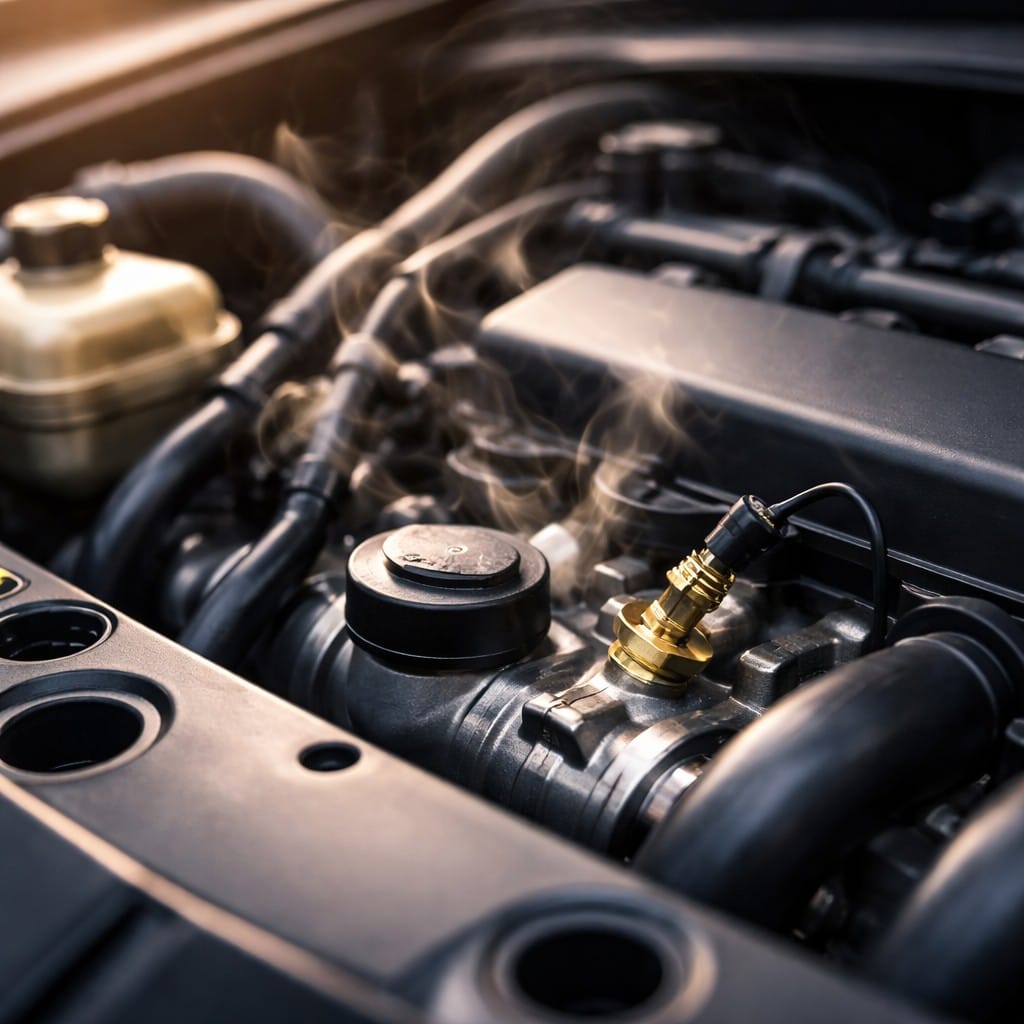
Engine oil temp plays a critical role in your vehicle’s performance and longevity. Maintaining the right temperature ensures proper lubrication, reduces friction, and prevents overheating—keeping your engine healthy mile after mile.
Your engine is the heart of your vehicle—and engine oil is its lifeblood. But it’s not just about having oil in the crankcase; it’s about having oil that’s working at the right temperature. Think of engine oil temp like the Goldilocks zone: not too hot, not too cold, but just right. When oil runs at the optimal temperature, it lubricates moving parts efficiently, reduces friction, and helps manage heat. But when it strays too far from that sweet spot, problems start to pile up—from increased wear to potential engine damage.
Many drivers focus on coolant temperature or oil pressure, but oil temperature is just as important. It directly affects how well the oil can do its job. Whether you’re commuting to work, towing a trailer, or pushing your car on a track day, understanding and managing engine oil temp can make a big difference in performance and longevity. This guide will walk you through everything you need to know—from ideal ranges to warning signs, maintenance tips, and how to monitor your oil like a pro.
Key Takeaways
- Ideal oil temp range: Most engines perform best when oil temperature stays between 210°F and 240°F (100°C–115°C).
- Too hot is harmful: Exceeding 250°F (121°C) can break down oil, reduce viscosity, and lead to engine wear or failure.
- Too cold isn’t ideal: Oil below 180°F (82°C) may not flow properly, increasing friction during cold starts.
- Monitor with gauges: Installing an oil temperature gauge helps you track real-time conditions, especially during heavy driving.
- Use the right oil: Synthetic oils handle high temps better and maintain stability across a wider temperature range.
- Cooling matters: Oil coolers and proper airflow help regulate temperature in performance or high-load vehicles.
- Regular maintenance: Change oil and filters on schedule to preserve thermal stability and engine protection.
📑 Table of Contents
What Is Engine Oil Temperature and Why Does It Matter?
Engine oil temperature refers to how hot the oil gets as it circulates through your engine. Unlike coolant, which is designed to absorb and dissipate heat from combustion, oil serves multiple roles: it lubricates, cleans, cools, and protects internal components. But to do all that effectively, it needs to be at the right temperature.
When oil is too cold—like during a winter morning start—it’s thick and sluggish. This means it doesn’t flow quickly enough to reach critical parts, leading to increased metal-on-metal contact and wear. On the flip side, when oil gets too hot, it thins out. Thin oil can’t maintain a strong film between moving parts, which again leads to friction, overheating, and potential engine damage.
The ideal engine oil temp for most gasoline and diesel engines falls between 210°F and 240°F (100°C–115°C). In this range, oil maintains the right viscosity—thick enough to protect, but fluid enough to flow. Performance vehicles or those under heavy load (like towing or racing) may run slightly hotter, but should still avoid sustained temps above 250°F (121°C).
How Engine Oil Temp Affects Performance and Longevity
Let’s break it down: your engine has hundreds of moving parts—pistons, crankshafts, camshafts, valves—all working in tight coordination. These parts generate heat and friction, and without proper lubrication, they wear out fast. That’s where oil comes in. But if the oil isn’t at the right temperature, it can’t do its job.
At lower temps, oil becomes viscous. Imagine honey on a cold day—it doesn’t pour easily. Similarly, cold oil takes longer to reach engine components, especially during startup. This is why “warm-up time” matters. Running your engine gently for a few minutes before pushing it helps oil reach operating temperature and flow properly.
At higher temps, oil breaks down. Additives in the oil—like anti-wear agents and detergents—can degrade when exposed to extreme heat. Over time, this leads to sludge formation, reduced lubrication, and increased engine wear. In severe cases, oil can even oxidize and form acids that corrode internal parts.
For example, a turbocharged engine generates more heat than a naturally aspirated one. Without proper cooling, the oil around the turbo can exceed 300°F (149°C), leading to coking—where oil turns into a hard, tar-like substance that clogs passages. That’s why performance cars often use oil coolers and high-quality synthetic oils.
Ideal Engine Oil Temperature Ranges
So, what’s the magic number? While it varies slightly by engine design and oil type, here’s a general guide:
– **Normal driving:** 210°F–240°F (100°C–115°C)
– **Cold starts (initial warm-up):** 160°F–190°F (71°C–88°C) – acceptable briefly
– **Heavy load/towing/track use:** Up to 250°F (121°C) – monitor closely
– **Danger zone:** Above 250°F (121°C) – risk of oil breakdown and engine damage
Diesel engines often run slightly hotter due to higher compression ratios, so their ideal range may extend to 250°F under load. However, sustained high temps are still a concern.
It’s also worth noting that ambient temperature plays a role. In hot climates, engines naturally run hotter. In cold climates, it takes longer to reach optimal oil temp. That’s why using the right oil viscosity—like 5W-30 in winter or 10W-40 in summer—is crucial.
Signs Your Engine Oil Is Too Hot or Too Cold
Your car won’t always tell you when oil temp is off, but there are clues to watch for.
Signs of Overheating Oil
– **Burning smell:** If you notice a burnt oil odor, especially after hard driving, it could mean oil is breaking down.
– **Smoke from the engine bay:** Thin, blue-tinged smoke may indicate oil burning due to excessive heat.
– **Reduced performance:** Hot oil loses viscosity, leading to poor lubrication and sluggish engine response.
– **Oil pressure warning light:** While this usually points to low pressure, it can also result from oil thinning at high temps.
– **Sludge or deposits:** Check the dipstick—dark, gritty, or chunky oil suggests thermal breakdown.
Signs of Oil That’s Too Cold
– **Hard cold starts:** If the engine cranks slowly or struggles to turn over, thick oil may be slowing things down.
– **Increased engine noise:** Listen for knocking or ticking during startup—this can mean oil hasn’t reached critical components yet.
– **Long warm-up times:** If it takes more than 5–10 minutes to reach normal operating temp, your oil may be too thick for the conditions.
– **Poor fuel economy:** Thick oil creates more internal drag, forcing the engine to work harder.
How to Monitor and Maintain Optimal Oil Temperature
The best way to stay on top of engine oil temp is to monitor it. While most cars have a coolant temperature gauge, few include an oil temp gauge—but you can add one.
Install an Oil Temperature Gauge
Aftermarket gauges are affordable and easy to install. They thread into the oil pan or engine block and give you real-time readings. This is especially useful for performance drivers, towing, or living in extreme climates.
Look for digital gauges with alarms that alert you if temps go too high. Some even connect to smartphone apps for remote monitoring.
Use the Right Oil
Not all oils are created equal. Synthetic oils are engineered to handle higher temperatures and maintain viscosity better than conventional oils. They also resist oxidation and sludge formation.
Check your owner’s manual for the recommended viscosity (e.g., 5W-30, 10W-40). In hot climates or high-performance applications, consider a higher high-temperature rating (the second number). For example, 10W-40 holds up better under heat than 5W-30.
Upgrade Your Cooling System
If you frequently drive in hot weather, tow heavy loads, or track your car, consider adding an oil cooler. These small radiators mount in front of the main radiator and use airflow to cool the oil before it returns to the engine.
Oil coolers are common in race cars, trucks, and modified vehicles. They’re especially helpful for turbocharged engines, where oil temps can spike quickly.
Maintain Proper Airflow
Make sure your engine bay has good airflow. Clean debris from the radiator and oil cooler fins. If you’ve added aftermarket parts, ensure they don’t block airflow to the oil system.
Change Oil and Filters Regularly
Old oil loses its ability to handle heat. Follow your manufacturer’s recommended change interval—typically every 5,000 to 7,500 miles for synthetic oil. In severe conditions (frequent short trips, towing, dusty environments), change it more often.
Also, replace the oil filter with every change. A clogged filter restricts oil flow, which can lead to hot spots and increased temps.
Tips for Different Driving Conditions
Your oil temp needs vary depending on how you drive.
Daily Commuting
For city driving with frequent stops, oil may not reach optimal temp consistently. Use a lighter viscosity oil (like 5W-30) and allow a few minutes of warm-up time. Avoid revving the engine cold.
Towing or Hauling
Heavy loads generate extra heat. Use a high-quality synthetic oil with a higher high-temp rating (e.g., 10W-40 or 15W-50). Consider an oil cooler and monitor temps closely. Take breaks during long hauls to let the engine cool.
Track Days or Performance Driving
Racing pushes engines to the limit. Use full synthetic racing oil designed for high temps. Install an oil cooler and temperature gauge. Let the engine warm up fully before pushing it, and cool down before shutting off.
Winter Driving
Cold weather thickens oil. Use a lower winter viscosity (the first number, like 0W or 5W). Block heaters can help warm the engine before starting, reducing strain on cold oil.
Conclusion
Engine oil temp isn’t just a number on a gauge—it’s a vital sign of your engine’s health. Keeping it in the optimal range ensures your oil can lubricate, cool, and protect effectively. Whether you’re driving a daily commuter or a high-performance machine, understanding and managing oil temperature can boost performance, prevent costly repairs, and extend your engine’s life.
Start by knowing your ideal range, using the right oil, and monitoring temps—especially under heavy use. A few simple upgrades, like a gauge or oil cooler, can make a big difference. And don’t forget regular maintenance. Fresh oil and clean filters are your first line of defense against overheating and wear.
Your engine works hard for you. Give it the care it deserves by keeping its oil in the Goldilocks zone—just right.
Frequently Asked Questions
What is the normal engine oil temperature?
The normal engine oil temperature for most vehicles ranges from 210°F to 240°F (100°C–115°C). This range allows oil to maintain proper viscosity and lubrication under typical driving conditions.
Can engine oil get too hot?
Yes, engine oil can get too hot. Sustained temperatures above 250°F (121°C) can cause oil to break down, lose viscosity, and form sludge, leading to increased wear and potential engine damage.
How do I know if my engine oil is too cold?
Signs include hard cold starts, increased engine noise during startup, and long warm-up times. If oil doesn’t reach 180°F (82°C) within 10–15 minutes of driving, it may be too thick for the conditions.
Should I install an oil temperature gauge?
Yes, especially if you drive in extreme conditions, tow, or use your vehicle for performance. An oil temp gauge gives real-time feedback and helps prevent overheating.
Does synthetic oil handle heat better?
Yes, synthetic oil is designed to resist thermal breakdown and maintain viscosity at high temperatures, making it ideal for hot climates, towing, or high-performance engines.
Can low oil cause high oil temperature?
Yes, low oil levels reduce the system’s ability to absorb and dissipate heat, leading to higher oil temperatures. Always check oil level regularly and top off as needed.