
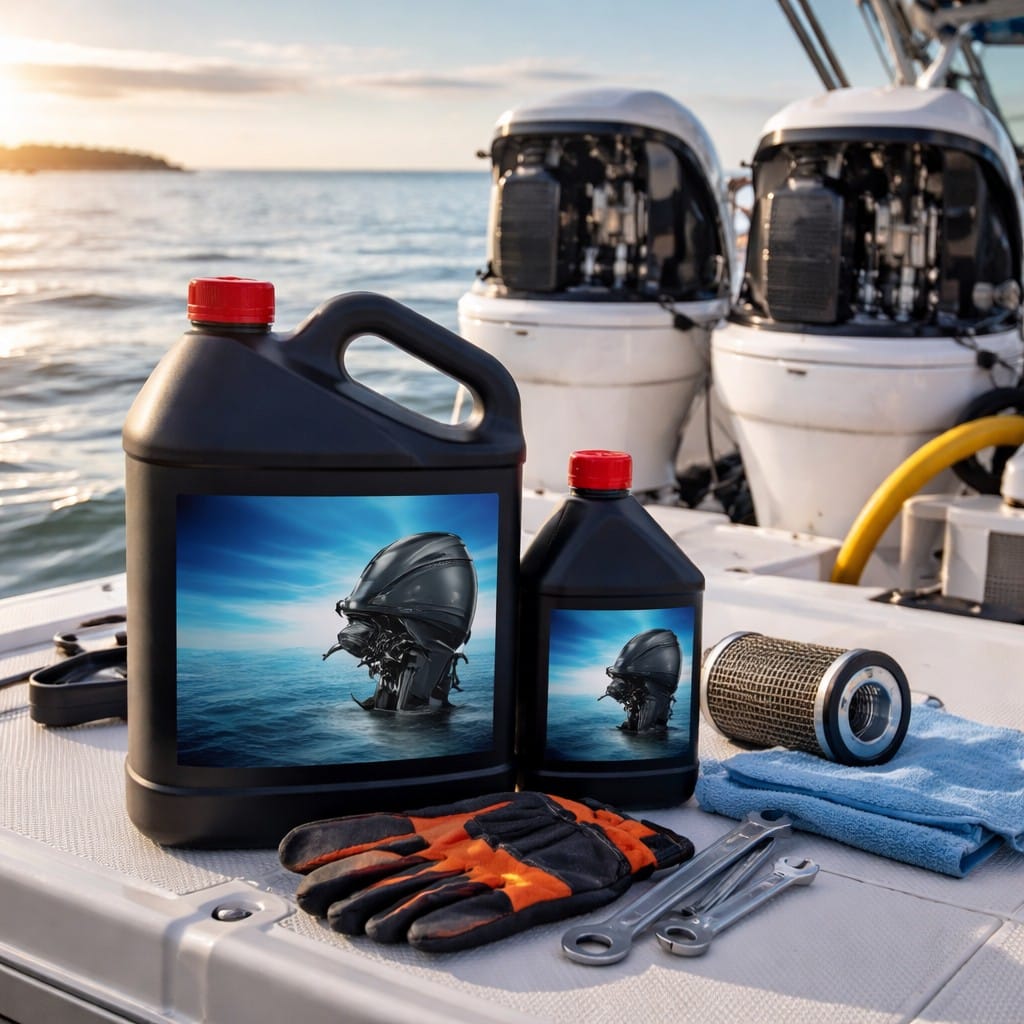
Choosing the right marine engine oil is crucial for protecting your boat’s engine from wear, corrosion, and extreme conditions. The best marine engine oil delivers superior lubrication, thermal stability, and detergency to keep your engine running smoothly season after season.
Key Takeaways
- Marine engines face harsher conditions than car engines: Saltwater, high loads, and extended idle times demand specialized oil.
- Use NMMA-certified oils: Look for FC-W (Four-Stroke) or TC-W3 (Two-Stroke) labels to ensure quality and compatibility.
- Viscosity matters: Choose the right grade (e.g., 10W-30, 25W-40) based on climate and manufacturer recommendations.
- Synthetic blends offer better protection: They resist breakdown, reduce sludge, and perform well in extreme temperatures.
- Regular oil changes are non-negotiable: Salt, moisture, and combustion byproducts degrade oil faster in marine environments.
- Don’t mix oils: Using incompatible brands or types can reduce performance and void warranties.
- Check your owner’s manual: Always follow the manufacturer’s oil specifications for optimal engine health.
📑 Table of Contents
Why Marine Engine Oil Is Different
When it comes to keeping your boat’s engine running smoothly, not just any motor oil will do. Marine engines operate under conditions that are far more demanding than those in cars or trucks. Think about it: your boat engine often idles for long periods, runs at high RPMs under heavy load, and is constantly exposed to moisture and salt—especially if you’re boating in saltwater environments. These factors create a perfect storm for engine wear, corrosion, and sludge buildup.
That’s where marine-specific engine oil comes in. Unlike standard automotive oils, the best marine engine oil is formulated to handle the unique challenges of marine operation. It contains additives that resist water contamination, prevent rust and corrosion, and maintain stability under high heat and pressure. Whether you’re cruising a freshwater lake or navigating coastal waters, using the right oil is one of the smartest investments you can make for your vessel’s longevity.
Understanding Marine Engine Oil Types
Not all marine oils are created equal. The type of oil you choose depends largely on your engine type—two-stroke or four-stroke—and the environment in which you operate.
Two-Stroke Marine Oils
Two-stroke engines, common in smaller outboard motors, require oil that mixes with fuel. These oils must burn cleanly to prevent spark plug fouling and exhaust port buildup. Look for TC-W3 certified oils, which meet standards set by the National Marine Manufacturers Association (NMMA). These oils are designed to provide excellent lubrication while minimizing smoke and deposits.
For example, if you own a small fishing boat with a 50-horsepower outboard, using a high-quality TC-W3 oil ensures your engine stays clean and responsive, even after hours of trolling.
Four-Stroke Marine Oils
Four-stroke engines, found in larger inboard and sterndrive boats, operate similarly to car engines but under more extreme conditions. They require oils that offer superior detergency, anti-wear protection, and corrosion resistance. The best marine engine oil for four-strokes will carry the FC-W certification, indicating it meets rigorous performance standards for marine use.
These oils often include additives like rust inhibitors and acid neutralizers to combat the effects of saltwater and combustion byproducts. For instance, a 300-horsepower sterndrive engine used for weekend water sports will benefit greatly from a premium FC-W oil that keeps internal components clean and protected.
Choosing the Right Viscosity
Viscosity—how thick or thin the oil is—plays a critical role in engine protection. Marine engine oil comes in various viscosity grades, such as 10W-30, 15W-40, and 25W-40. The first number (with the “W”) indicates cold-start performance, while the second reflects high-temperature viscosity.
Climate Considerations
In cooler climates, a lower first number (like 10W) helps the oil flow more easily during cold starts, reducing engine wear. In warmer regions or during summer boating, a higher second number (like 40) ensures the oil maintains its protective film under heat and load.
For example, if you boat in Florida’s hot summers, a 25W-40 oil might be ideal. But if you’re in the Pacific Northwest with cooler water and air temperatures, a 10W-30 could offer better cold-flow performance.
Follow Manufacturer Guidelines
Always consult your engine’s owner’s manual for the recommended viscosity. Using the wrong grade can lead to poor lubrication, increased fuel consumption, or even engine damage. Mercury Marine, for instance, often recommends 25W-40 for many of its four-stroke outboards, while Yamaha may suggest 10W-30 for certain models.
Synthetic vs. Conventional Marine Oil
The debate between synthetic and conventional oil isn’t just for cars—it matters for boats too. While conventional oils are affordable and work well in older engines, synthetic and synthetic blend marine oils offer significant advantages.
Benefits of Synthetic Blends
Synthetic blends combine the best of both worlds: the cost-effectiveness of conventional oil with the enhanced performance of synthetic. They offer better thermal stability, meaning they resist breaking down at high temperatures. They also flow more easily in cold weather, reducing startup wear.
For example, a synthetic blend marine oil can help a high-performance inboard engine maintain consistent lubrication during long days of wakeboarding or cruising at wide-open throttle.
Full Synthetic Options
Full synthetic marine oils are the top tier in performance. They provide exceptional protection against oxidation, sludge, and varnish buildup. They’re ideal for high-horsepower engines, frequent use, or harsh saltwater environments.
Boaters who trailer their vessels or use them in varying climates often prefer full synthetics for their reliability. Brands like Mercury, Yamalube, and Shell Rotella offer high-quality synthetic marine oils that meet or exceed OEM specifications.
Key Additives in Marine Engine Oil
What makes marine oil so effective? It’s the specialized additives that set it apart from regular motor oil. These additives are engineered to tackle the unique challenges of marine operation.
Corrosion Inhibitors
Saltwater is one of the biggest threats to marine engines. Corrosion inhibitors in marine oil form a protective barrier on metal surfaces, preventing rust and pitting. This is especially important for components like crankshafts, camshafts, and bearings.
Detergents and Dispersants
Combustion creates soot, acids, and sludge. Detergents keep these contaminants suspended in the oil so they can be filtered out, while dispersants prevent them from clumping together. This keeps your engine internals clean and extends oil life.
Anti-Wear Agents
Zinc and phosphorus compounds (like ZDDP) form a protective layer on metal parts, reducing friction and wear during startup and high-load operation. This is crucial for engines that don’t run daily or sit idle for long periods.
Acid Neutralizers
Marine engines produce acidic byproducts from fuel combustion and water contamination. Acid neutralizers (also called TBN, or Total Base Number) help counteract these acids, preventing corrosion and oil degradation.
When and How to Change Marine Engine Oil
Regular oil changes are one of the most important maintenance tasks for any boat owner. But how often should you do it?
Follow the Schedule
Most manufacturers recommend changing marine engine oil every 50 to 100 hours of operation or once per season—whichever comes first. If you boat frequently or in harsh conditions, lean toward the lower end of that range.
For example, if you use your boat every weekend during the summer, you might hit 50 hours by mid-season and need an oil change before the peak boating months.
Steps for a Proper Oil Change
1. Warm up the engine to thin the oil for easier draining.
2. Place a drain pan under the oil pan and remove the drain plug.
3. Drain the oil completely, then replace the plug.
4. Replace the oil filter—marine filters are designed to handle water and contaminants.
5. Refill with the correct type and amount of marine engine oil.
6. Start the engine briefly to circulate the new oil, then check the level.
Always dispose of used oil and filters responsibly. Many marinas and auto parts stores offer recycling programs.
Top Brands and Product Recommendations
With so many options on the market, it can be tough to choose. Here are a few trusted brands known for high-quality marine engine oil:
– **Mercury 4-Stroke Marine Oil**: Designed specifically for Mercury outboards, this FC-W certified oil offers excellent protection and performance.
– **Yamalube Marine Oil**: Yamaha’s OEM oil is formulated for both two- and four-stroke engines, with strong corrosion resistance.
– **Shell Rotella T6 5W-40**: A full synthetic option popular among inboard boat owners for its durability and cold-flow properties.
– **Quicksilver Premium Plus**: A versatile FC-W oil suitable for a wide range of sterndrive and outboard engines.
– **PennGrade Marine Engine Oil**: Offers excellent detergency and anti-wear protection at a budget-friendly price.
When in doubt, stick with the manufacturer’s recommended brand or one that carries NMMA certification.
Common Mistakes to Avoid
Even experienced boaters can make oil-related mistakes that shorten engine life. Here are a few to watch out for:
– **Using automotive oil**: It lacks the corrosion inhibitors and water resistance needed for marine use.
– **Mixing oil types**: Combining synthetic and conventional oils can reduce effectiveness.
– **Ignoring the oil filter**: A clogged filter reduces oil flow and increases wear.
– **Overfilling**: Too much oil can cause foaming and reduced lubrication.
– **Skipping oil analysis**: For high-use boats, sending oil to a lab can reveal hidden problems like fuel dilution or coolant leaks.
Conclusion
The best marine engine oil does more than just lubricate—it protects, cleans, and preserves your engine under some of the toughest conditions on the planet. Whether you’re running a small outboard or a powerful inboard, choosing the right oil with the correct viscosity, certification, and additives is essential for peak performance and long-term reliability.
By understanding your engine’s needs, following the manufacturer’s guidelines, and sticking to a regular maintenance schedule, you’ll keep your boat running smoothly for years to come. Don’t cut corners when it comes to oil—your engine will thank you with quiet starts, strong performance, and fewer repairs.
Frequently Asked Questions
Can I use car engine oil in my boat?
No, automotive oil is not recommended for marine engines. It lacks the corrosion inhibitors and water resistance needed to protect against saltwater and moisture. Always use NMMA-certified marine oil.
How often should I change my marine engine oil?
Change your marine engine oil every 50 to 100 hours of operation or at least once per season. Frequent use or harsh conditions may require more frequent changes.
What does FC-W mean on marine oil?
FC-W stands for “Four-Cycle/Water-Cooled” and is a certification by the NMMA. It ensures the oil meets performance standards for four-stroke marine engines, including wear protection and corrosion resistance.
Is synthetic marine oil worth the extra cost?
Yes, especially for high-performance or frequently used engines. Synthetic oils offer better thermal stability, cold-flow performance, and longer oil life, making them a smart long-term investment.
Can I mix different brands of marine oil?
It’s best to avoid mixing oils, even if they’re the same type. Different additive packages can interact poorly, reducing effectiveness. Stick to one trusted brand when possible.
Does marine oil expire?
Yes, marine oil can degrade over time, especially if exposed to heat and moisture. Store oil in a cool, dry place and use it within 2–3 years of purchase for best results.