
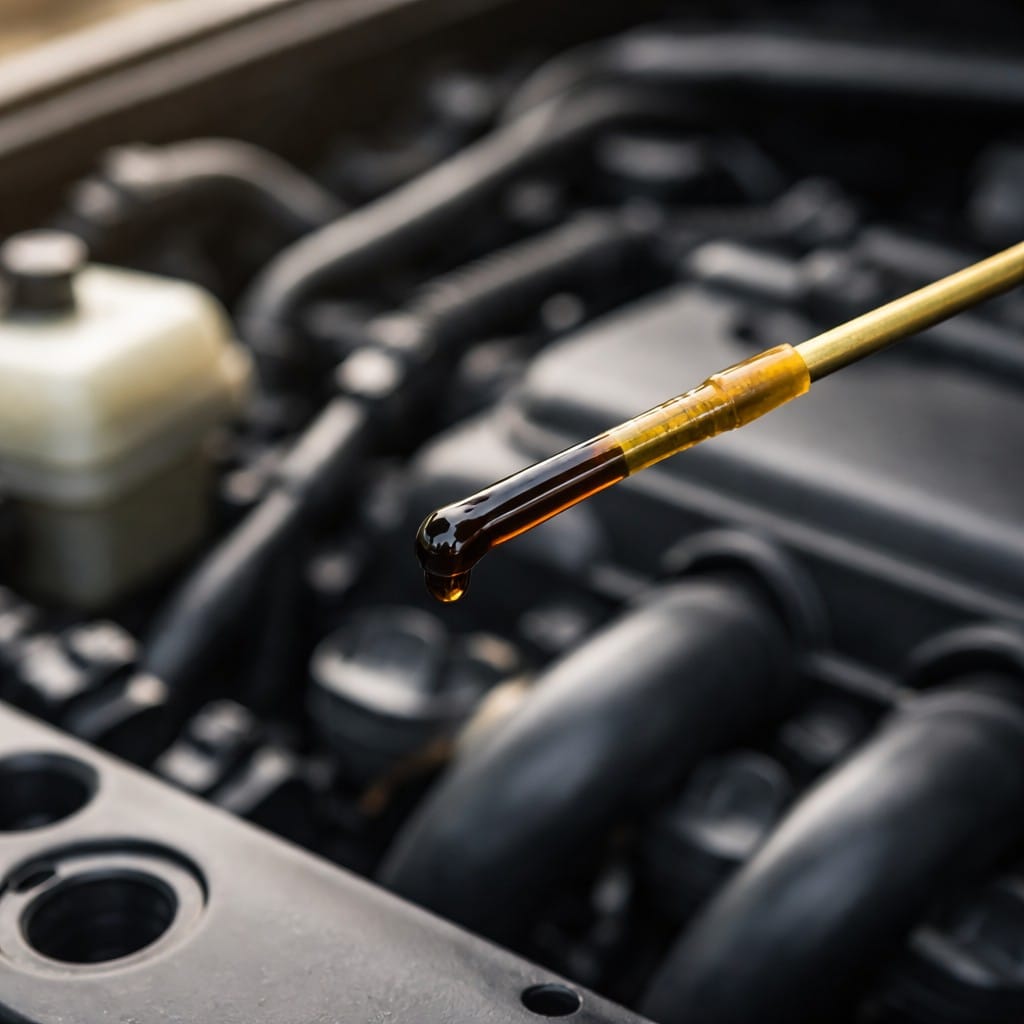
If your engine oil smells like gas, it’s not normal and shouldn’t be ignored. This odor usually means fuel is leaking into the oil system, which can damage your engine over time. Catching the cause early and taking action can save you from costly repairs.
Key Takeaways
- Fuel dilution is the main cause: Gasoline mixing with engine oil reduces lubrication and can lead to engine wear.
- Worn piston rings or cylinder walls: These allow fuel to seep past combustion chambers into the oil pan.
- Faulty fuel injectors or carburetors: Leaking injectors can drip excess fuel into the engine, contaminating the oil.
- Rich air-fuel mixture: Too much fuel in the combustion process can result in unburned fuel entering the oil.
- Frequent short trips: Engines that don’t reach full operating temperature may accumulate fuel in the oil.
- Check oil level and color: Gas-contaminated oil often looks thinner, smells strong, and may appear milky or bubbly.
- Prompt diagnosis is crucial: Ignoring the issue can lead to sludge buildup, reduced engine performance, and potential engine failure.
📑 Table of Contents
Why Does Engine Oil Smell Like Gas? Understanding the Warning Sign
If you’ve ever opened your car’s oil cap or checked the dipstick and caught a whiff of gasoline, you’re not alone—but you should be concerned. Engine oil that smells like gas is a red flag that something is wrong inside your engine. While it might seem like a minor oddity, this smell often points to a deeper mechanical issue that, if left unchecked, can lead to serious engine damage.
Engine oil is designed to lubricate moving parts, reduce friction, and help cool the engine. It should never contain fuel. When gasoline mixes with engine oil, it thins the oil, reducing its ability to protect critical components. Over time, this can cause increased wear, overheating, and even engine seizure. The good news? Most causes of gas-smelling oil are fixable—especially if you catch them early.
What Causes Gas to Mix with Engine Oil?
There are several reasons why gasoline might end up in your engine oil. Understanding these causes is the first step toward solving the problem.
Fuel Dilution from Incomplete Combustion
One of the most common causes is fuel dilution. This happens when unburned gasoline seeps past the piston rings and into the oil pan. During normal operation, a small amount of fuel may escape combustion, but excessive amounts indicate a problem. Cold starts, short trips, and rich fuel mixtures all contribute to incomplete combustion, allowing fuel to accumulate in the oil.
For example, if you frequently drive only a few miles at a time—like commuting to the store or school—your engine may never reach its optimal operating temperature. This prevents complete fuel burn, leaving behind raw gasoline that eventually drips into the oil.
Worn Piston Rings or Cylinder Walls
Piston rings create a tight seal between the piston and the cylinder wall. When these rings wear out—due to age, poor maintenance, or overheating—they can’t contain combustion gases and fuel. As a result, fuel and combustion byproducts leak into the crankcase, contaminating the oil.
This issue is more common in high-mileage vehicles or those that have been poorly maintained. You might also notice symptoms like blue smoke from the exhaust, reduced power, or increased oil consumption.
Faulty Fuel Injectors
Modern fuel-injected engines rely on precise injector operation. If an injector becomes stuck open or leaks, it can drip fuel directly into the intake manifold or combustion chamber—even when the engine is off. Over time, this excess fuel can wash down the cylinder walls and mix with the oil.
A leaking injector often causes a strong gas smell in the engine bay and may trigger a check engine light. You might also experience rough idling, poor fuel economy, or difficulty starting the engine.
Carburetor Issues in Older Vehicles
While most modern cars use fuel injection, older vehicles with carburetors can also suffer from fuel contamination. A stuck float valve or clogged needle valve in the carburetor can cause fuel to overflow into the intake manifold. From there, it can seep past the pistons and into the oil.
If you drive a classic car or an older model with a carburetor, regular maintenance is key. Cleaning or rebuilding the carburetor can often resolve the issue.
Rich Air-Fuel Mixture
An engine running rich—meaning it has too much fuel and not enough air—can produce excess unburned fuel. This often happens due to a faulty oxygen sensor, mass airflow sensor, or engine control unit (ECU) issue. The extra fuel doesn’t burn completely and ends up in the oil.
Signs of a rich mixture include black smoke from the exhaust, a strong gasoline odor, and poor fuel efficiency. A mechanic can diagnose this with a scan tool and adjust the fuel trim accordingly.
How to Identify Gas in Your Engine Oil
Detecting gas-contaminated oil early can prevent major engine damage. Here’s how to spot the signs.
Check the Oil Smell and Appearance
The most obvious clue is the smell. If your engine oil has a strong, sweet gasoline odor, it’s likely contaminated. You can also check the oil’s consistency. Gas-thinned oil feels less viscous—almost watery—when rubbed between your fingers.
Visually, contaminated oil may appear lighter in color or have a milky, frothy texture due to air bubbles. This is especially noticeable on the dipstick or oil cap.
Monitor Oil Level and Consumption
Gas in the oil can cause the oil level to rise unexpectedly. Since gasoline is lighter than oil, it can float on top and give a false high reading. If you notice your oil level increasing without adding oil, it’s a strong indicator of fuel dilution.
Also, keep an eye on oil consumption. While some engines burn a little oil, excessive burning—especially with a gas smell—could mean fuel is washing down the cylinder walls.
Use an Oil Analysis Kit
For a definitive diagnosis, consider sending a sample of your oil to a lab for analysis. These kits are affordable and can detect fuel dilution, coolant contamination, and metal particles. Many auto parts stores offer free testing or can recommend a reputable lab.
How to Fix Engine Oil That Smells Like Gas
Once you’ve confirmed gas is in your oil, it’s time to take action. The solution depends on the root cause, but here are the most effective steps.
Change the Oil and Filter Immediately
The first and most important step is to drain the contaminated oil and replace it with fresh oil and a new filter. This removes the diluted oil and helps restore proper lubrication. Be sure to use the manufacturer-recommended oil type and viscosity.
After the change, monitor the new oil for any return of the gas smell. If it comes back quickly, the underlying issue hasn’t been resolved.
Inspect and Replace Faulty Fuel Injectors
If a leaking fuel injector is suspected, have a mechanic perform a fuel pressure test and injector balance test. Faulty injectors should be cleaned or replaced. In some cases, a simple cleaning with a fuel system cleaner can restore proper function.
For persistent issues, consider having the entire fuel system inspected, including the fuel pressure regulator and fuel pump.
Check and Replace Worn Piston Rings
Worn piston rings require more extensive repairs. This usually involves removing the engine head or even the entire engine for inspection. A compression test or leak-down test can confirm ring wear.
While this is a costly repair, it’s necessary to prevent long-term damage. In high-mileage engines, a rebuild or replacement might be the best option.
Address Carburetor Problems
For older vehicles, cleaning or rebuilding the carburetor can fix fuel overflow issues. A professional mechanic can adjust the float level and replace worn components like the needle valve and gasket.
Regular carburetor maintenance—especially before long storage periods—can prevent future problems.
Tune the Engine and Fix Sensor Issues
If the engine is running rich, have the oxygen sensors, mass airflow sensor, and ECU checked. Replacing faulty sensors and resetting the engine’s fuel trims can restore the correct air-fuel ratio.
A professional tune-up may also include cleaning the throttle body and inspecting spark plugs for fouling.
Preventing Gas from Getting into Your Engine Oil
Prevention is always better than repair. Here’s how to keep your engine oil clean and gas-free.
Avoid Excessive Short Trips
Whenever possible, combine short errands into one longer trip. This allows the engine to reach full operating temperature, ensuring complete fuel combustion and reducing fuel buildup in the oil.
If you must make frequent short trips, consider using a synthetic oil designed for severe service conditions.
Use High-Quality Fuel and Additives
Using top-tier gasoline with detergents can help keep fuel injectors and combustion chambers clean. Occasional use of a fuel system cleaner can also prevent injector clogs and improve combustion efficiency.
Avoid cheap or contaminated fuel, which can increase the risk of engine problems.
Follow the Manufacturer’s Maintenance Schedule
Regular oil changes, air filter replacements, and tune-ups are essential. Sticking to the recommended service intervals helps catch issues early and keeps your engine running smoothly.
Don’t skip oil changes—especially if you drive in stop-and-go traffic or extreme temperatures.
Monitor Engine Performance
Pay attention to changes in how your car runs. Rough idling, hesitation, or reduced fuel economy can signal fuel system problems before they affect the oil.
If you notice any unusual smells, sounds, or performance issues, have your vehicle inspected promptly.
When to See a Mechanic
While some causes of gas-smelling oil can be addressed with basic maintenance, others require professional help. If you’ve changed the oil and the smell returns within a few hundred miles, it’s time to see a mechanic.
Also, seek professional diagnosis if you notice:
– Blue or black smoke from the exhaust
– Engine knocking or pinging
– Loss of power or acceleration
– Check engine light with fuel-related codes
Ignoring these signs can lead to catastrophic engine failure. A qualified technician can perform advanced tests like a compression test, leak-down test, or oil analysis to pinpoint the issue.
Conclusion
Engine oil that smells like gas is not something to ignore. It’s a clear warning that fuel is contaminating your oil, which can lead to poor lubrication, increased wear, and engine damage. From worn piston rings to faulty injectors, the causes are varied—but most are fixable with timely action.
By staying alert to changes in oil smell, appearance, and engine performance, you can catch problems early. Regular maintenance, proper driving habits, and prompt repairs are your best defenses. When in doubt, consult a trusted mechanic to ensure your engine stays healthy and reliable for years to come.
Frequently Asked Questions
Can gas in engine oil damage my car?
Yes, gas in engine oil reduces its lubricating properties, leading to increased friction and wear. Over time, this can cause engine overheating, sludge buildup, and even engine failure if not addressed.
How often should I check my oil if it smells like gas?
Check your oil level and smell every few days until the issue is resolved. After an oil change, monitor it weekly for the first month to ensure the problem doesn’t return.
Will changing the oil fix the problem permanently?
Changing the oil removes the contaminated oil but won’t fix the underlying cause. You must identify and repair the source—like a leaking injector or worn rings—to prevent recurrence.
Can I drive with gas-smelling engine oil?
It’s not recommended. Driving with contaminated oil increases the risk of engine damage. Limit driving and fix the issue as soon as possible.
Is synthetic oil better at resisting fuel dilution?
Synthetic oils generally have better thermal stability and resistance to thinning, but they can still be affected by fuel contamination. Proper maintenance is still essential.
How much does it cost to fix gas in engine oil?
Costs vary widely. An oil change is $30–$70, while replacing injectors or piston rings can cost $500–$2,000 or more, depending on the vehicle and labor rates.