
Maintaining the correct power steering fluid level is essential for safe, smooth driving. Low or degraded fluid can lead to stiff steering, noise, and costly repairs. Regular checks help prevent damage and extend your vehicle’s lifespan.
Key Takeaways
- Check your power steering fluid level monthly: Regular inspections help catch leaks or low levels early, preventing steering issues.
- Use the right type of fluid: Always consult your owner’s manual—using the wrong fluid can damage the system.
- Look for signs of low fluid: Whining noises, stiff steering, or jerky movements may indicate a problem.
- Top off carefully: Add fluid slowly and avoid overfilling, which can cause foaming and reduced performance.
- Inspect for leaks: Puddles under your car or low fluid levels may signal a leak in the pump, hoses, or rack.
- Change fluid as recommended: Over time, fluid breaks down—follow your manufacturer’s service schedule.
- Don’t ignore warning signs: Delaying maintenance can lead to expensive repairs or unsafe driving conditions.
📑 Table of Contents
- Why Checking Your Power Steering Fluid Level Matters
- What Is Power Steering Fluid and How Does It Work?
- How to Check Your Power Steering Fluid Level
- Signs You Need to Check Your Power Steering Fluid Level
- Common Causes of Low Power Steering Fluid
- How Often Should You Check and Change the Fluid?
- Tips for Maintaining a Healthy Power Steering System
- Conclusion
Why Checking Your Power Steering Fluid Level Matters
Your car’s power steering system makes turning the wheel effortless—especially at low speeds, like when parking or navigating tight corners. But have you ever wondered what keeps that system running smoothly? It’s the power steering fluid. This often-overlooked fluid is the lifeblood of your steering system, and maintaining the right power steering fluid level is crucial for performance, safety, and longevity.
Think of it like engine oil: just as your engine needs clean oil to run, your power steering system needs clean, properly filled fluid to function. When the level drops or the fluid degrades, you might notice a difference in how your car handles. Steering can become stiff, noisy, or even unresponsive. In worst-case scenarios, low fluid can damage the power steering pump, leading to costly repairs. That’s why checking your power steering fluid level today isn’t just a good idea—it’s a smart maintenance habit that pays off in the long run.
What Is Power Steering Fluid and How Does It Work?
Power steering fluid is a hydraulic fluid that transfers power from the steering wheel to the wheels. When you turn the wheel, the fluid is pressurized by the power steering pump and sent through hoses to the steering gear or rack. This pressure assists your movements, making it easier to steer without physical strain.
Most modern vehicles use either hydraulic or electric power steering systems. Hydraulic systems rely entirely on fluid, while electric systems use a motor instead. If your car has hydraulic steering—which is still common in many models—then checking the power steering fluid level is essential. The fluid also lubricates internal components, prevents corrosion, and helps cool the system. Over time, however, it can break down due to heat, contamination, or age, losing its effectiveness.
Types of Power Steering Fluid
Not all power steering fluids are the same. Using the wrong type can damage seals, hoses, or the pump. Here are the most common types:
- ATF (Automatic Transmission Fluid): Many older vehicles and some newer ones use ATF, such as Dexron or Mercon. Always check your owner’s manual to confirm.
- Synthetic Power Steering Fluid: Designed specifically for power steering systems, these fluids offer better performance in extreme temperatures and longer service life.
- CHF (Central Hydraulic Fluid): Common in European vehicles like BMW and Mercedes-Benz, CHF is a specialized fluid that should not be substituted.
Using the correct fluid ensures compatibility and optimal performance. Never mix different types unless specified by the manufacturer.
How to Check Your Power Steering Fluid Level
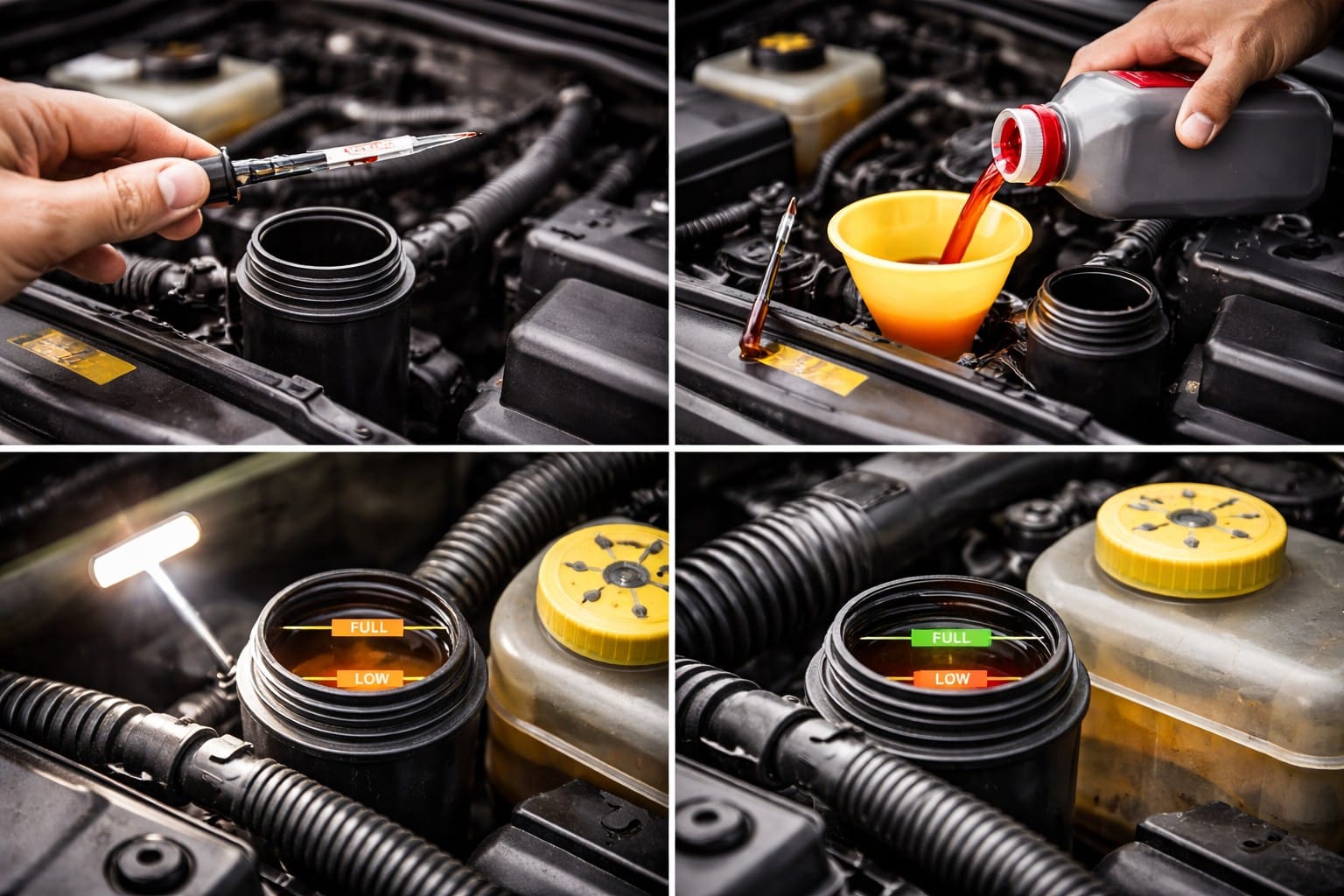
Checking your power steering fluid level is a simple task that takes just a few minutes. Here’s a step-by-step guide:
Step 1: Park on a Level Surface
Make sure your car is parked on a flat surface and the engine is off. This ensures an accurate reading. Some vehicles require the engine to be running—check your owner’s manual for specific instructions.
Step 2: Locate the Reservoir
Open the hood and find the power steering fluid reservoir. It’s usually a small plastic tank near the engine, labeled with a steering wheel icon or “Power Steering.” It often has a cap with a dipstick attached.
Step 3: Check the Fluid Level
Remove the cap and wipe the dipstick clean. Reinsert it fully, then pull it out again to check the level. Most dipsticks have “Full” and “Add” markings. The fluid should be between these lines. If it’s below “Add,” you need to top it off.
Step 4: Inspect the Fluid Condition
While checking the level, also look at the fluid’s color and clarity. Fresh fluid is usually clear or light amber. If it’s dark, cloudy, or has a burnt smell, it’s time for a fluid change. Contaminated fluid can damage internal components.
Step 5: Add Fluid if Needed
If the level is low, add the correct type of fluid slowly. Use a funnel to avoid spills. Don’t overfill—excess fluid can cause foaming, which reduces effectiveness. Replace the cap securely when done.
Signs You Need to Check Your Power Steering Fluid Level
Sometimes, your car will give you hints that something’s off with the power steering system. Pay attention to these warning signs:
- Whining or Groaning Noise: A high-pitched whine when turning the wheel often means low fluid or air in the system.
- Stiff or Hard Steering: If the wheel feels heavy or difficult to turn, especially at low speeds, the fluid level may be low.
- Jerky or Uneven Steering: Inconsistent response when turning could indicate air bubbles or degraded fluid.
- Fluid Leaks Under the Car: Look for reddish or brownish puddles near the front wheels or under the engine.
- Dashboard Warning Light: Some vehicles have a power steering warning light that illuminates when there’s a problem.
Ignoring these signs can lead to pump failure or complete loss of power steering, which is dangerous, especially in emergency maneuvers.
Common Causes of Low Power Steering Fluid
Low fluid levels don’t happen by accident. Here are the most common reasons:
Leaks in the System
The most frequent cause of low fluid is a leak. Over time, hoses can crack, seals can wear out, or the pump can develop cracks. Even small leaks can slowly drain the reservoir. Check under your car for fluid stains or drips.
Worn or Damaged Components
The power steering pump, rack, or steering gear can wear out, causing internal leaks. These parts degrade with age and mileage, especially if the fluid hasn’t been changed regularly.
Improper Maintenance
Skipping fluid checks or using the wrong fluid can lead to contamination and system damage. Always follow your vehicle’s maintenance schedule.
Overheating
Excessive heat—from towing, stop-and-go traffic, or a malfunctioning cooling system—can break down the fluid and cause it to evaporate or leak.
How Often Should You Check and Change the Fluid?
Most experts recommend checking your power steering fluid level every month. It’s a quick habit that can prevent big problems. As for changing the fluid, it depends on your vehicle and driving conditions.
General Guidelines
- Every 50,000 to 100,000 miles: Many manufacturers suggest a fluid change in this range.
- Severe Driving Conditions: If you frequently drive in extreme heat, tow heavy loads, or drive in dusty environments, consider changing the fluid every 30,000 to 50,000 miles.
- Check the Owner’s Manual: Always refer to your vehicle’s specific recommendations.
Changing the fluid removes contaminants and restores lubrication. Some mechanics offer power steering flushes, which clean the entire system more thoroughly than a simple drain and refill.
Tips for Maintaining a Healthy Power Steering System
Good maintenance goes beyond just checking the fluid level. Here are some tips to keep your system in top shape:
- Use Only Recommended Fluid: Never substitute with transmission fluid unless specified.
- Inspect Hoses and Belts: Look for cracks, bulges, or wear during routine checks.
- Avoid Overfilling: Too much fluid can cause foaming and reduce efficiency.
- Address Leaks Immediately: Even small leaks can lead to bigger issues.
- Listen to Your Car: Unusual noises or steering behavior should never be ignored.
- Schedule Regular Maintenance: Include power steering checks in your overall vehicle care routine.
Conclusion
Checking your power steering fluid level today is a small task with big benefits. It takes just a few minutes, but it can save you from expensive repairs, unsafe driving conditions, and frustrating breakdowns. By staying proactive, you ensure your steering remains smooth, responsive, and reliable.
Remember, your car’s power steering system depends on clean, properly filled fluid to work correctly. Whether you’re a seasoned driver or just starting out, make fluid checks a regular part of your maintenance routine. Your car—and your safety—will thank you.
Frequently Asked Questions
How do I know if my power steering fluid is low?
Signs include a whining noise when turning, stiff steering, or the fluid level being below the “Add” mark on the dipstick. Check the reservoir regularly to confirm.
Can I drive with low power steering fluid?
You can drive short distances, but it’s not safe. Low fluid can damage the pump and make steering difficult, especially at low speeds. Top it off or get it checked immediately.
What happens if I use the wrong power steering fluid?
Using the wrong fluid can damage seals, hoses, and the pump. Always use the type specified in your owner’s manual to avoid costly repairs.
How much does it cost to fix a power steering fluid leak?
Costs vary depending on the source. Minor hose repairs may cost $100–$200, while pump or rack replacement can exceed $500. Early detection saves money.
Can I top off power steering fluid myself?
Yes, as long as you use the correct fluid and don’t overfill. Follow your owner’s manual and add fluid slowly to avoid air bubbles.
Is power steering fluid the same as transmission fluid?
Sometimes. Some vehicles use ATF (automatic transmission fluid) in the power steering system, but others require specialized fluid. Always check your manual.