
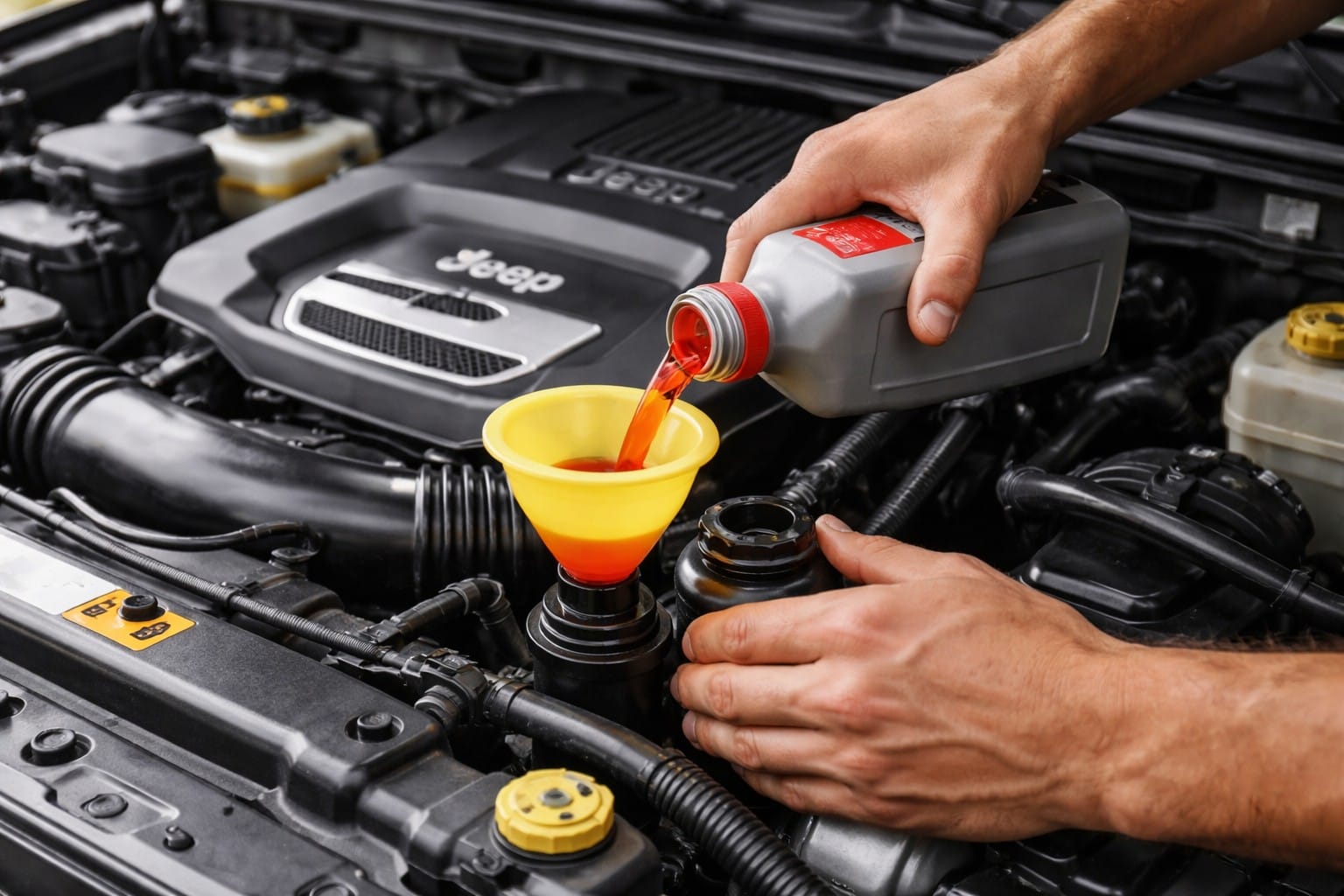
Choosing the right power steering fluid for your Jeep Wrangler is essential for maintaining smooth steering and preventing costly repairs. This guide covers everything from fluid types to top-rated products and maintenance tips to keep your Wrangler handling like new.
If you’ve ever turned the wheel of your Jeep Wrangler and felt a little resistance—or worse, a whining noise—you might be dealing with a power steering fluid issue. Your Wrangler’s power steering system relies heavily on the right fluid to operate smoothly, whether you’re crawling over rocks in Moab or navigating tight city streets. Using the wrong fluid or neglecting maintenance can lead to stiff steering, premature wear, and expensive repairs down the line.
The good news? Keeping your Jeep’s power steering system in top shape is simpler than you might think. With the right knowledge and a few quality products, you can ensure your Wrangler handles like it just rolled off the lot. In this guide, we’ll walk you through everything you need to know about Jeep Wrangler power steering fluid—from what it does and why it matters, to the best products on the market and how to maintain it like a pro.
Key Takeaways
- Use the correct fluid type: Most Jeep Wranglers require ATF+4 or Mopar Power Steering Fluid—never use generic substitutes.
- Check fluid regularly: Inspect levels every 3,000 miles or during oil changes to avoid low fluid and steering issues.
- Watch for leaks: Common leak points include the steering gear, hoses, and pump—address them promptly.
- Top brands matter: Mopar, Royal Purple, and Lucas offer high-quality fluids designed for Jeep’s steering systems.
- Flush when needed: Replace fluid every 50,000–75,000 miles or if it appears dark or contaminated.
- DIY-friendly process: Most Wrangler owners can check and refill power steering fluid with basic tools.
- Performance impacts handling: Fresh, correct fluid ensures responsive steering, especially off-road or at low speeds.
📑 Table of Contents
Why Power Steering Fluid Matters for Your Jeep Wrangler
Your Jeep Wrangler’s power steering system uses hydraulic pressure to make turning the wheels easier, especially at low speeds or when parking. The fluid is the lifeblood of this system—it transfers pressure, lubricates internal components, and helps dissipate heat. Without the right fluid, your steering pump can overheat, seals can degrade, and you might experience jerky or unresponsive steering.
Jeep Wranglers, especially newer models (2007 and later), are designed to work with specific fluid formulations. Using the wrong type—like standard automatic transmission fluid (ATF) without the correct additives—can cause seal swelling, pump failure, or even complete system breakdown. That’s why it’s crucial to use a fluid that meets Jeep’s specifications, such as ATF+4 or Mopar’s dedicated power steering fluid.
How Power Steering Fluid Works
When you turn the steering wheel, a pump driven by the engine pushes fluid through hoses to a steering gear or rack. This fluid creates hydraulic pressure that assists in turning the wheels. The fluid must maintain consistent viscosity, resist foaming, and protect against wear and corrosion. Over time, heat and contamination break down the fluid, reducing its effectiveness.
In off-road conditions—common for Wrangler owners—the system works harder. Rocks, mud, and steep inclines increase steering effort, putting extra strain on the fluid. That’s why using a high-quality, thermally stable fluid is even more important for adventurous drivers.
Types of Power Steering Fluid for Jeep Wrangler
Not all power steering fluids are created equal. Jeep recommends specific formulations to ensure compatibility and performance. Here are the main types you’ll encounter:
ATF+4 (Automatic Transmission Fluid)
This is the most common fluid used in Jeep Wranglers, especially models from 1999 to 2018. ATF+4 is a synthetic fluid developed by Chrysler (now Stellantis) that meets strict performance standards. It’s designed to work in both automatic transmissions and power steering systems. Most Wranglers with hydraulic power steering use ATF+4, but always check your owner’s manual to confirm.
ATF+4 offers excellent oxidation resistance, anti-wear properties, and thermal stability. It’s also compatible with seals and hoses used in Jeep systems. However, it’s not interchangeable with older ATF types like Dexron or Mercon—using those can cause damage.
Mopar Power Steering Fluid
Mopar, Jeep’s official parts and fluids brand, offers a dedicated power steering fluid that’s formulated specifically for Chrysler vehicles, including the Wrangler. This fluid meets or exceeds ATF+4 specifications and is often recommended for newer models or high-performance use.
One advantage of Mopar fluid is peace of mind—it’s made by the same company that builds your Jeep. It’s also widely available at dealerships and auto parts stores. While it may cost a bit more than generic ATF+4, many owners prefer it for its reliability and compatibility.
Synthetic and Aftermarket Options
Brands like Royal Purple, Lucas, and Red Line offer high-performance synthetic power steering fluids that exceed factory specs. These fluids often include enhanced additives for better wear protection, smoother operation, and longer service life.
For example, Royal Purple’s Max ATF is a full-synthetic fluid that’s compatible with ATF+4 systems and offers superior thermal stability. Lucas Power Steering Fluid Conditioner is another popular choice—it’s designed to reduce noise, prevent leaks, and extend the life of seals.
While these aftermarket options can improve performance, always verify compatibility with your Wrangler’s system. Some high-performance fluids may not be approved for use in all models, especially if they alter viscosity or additive packages.
Top 5 Best Jeep Wrangler Power Steering Fluids
With so many options on the market, it can be tough to choose. Here are five of the best power steering fluids for Jeep Wranglers, based on performance, compatibility, and customer reviews.
1. Mopar ATF+4 Automatic Transmission Fluid
This is the gold standard for most Wrangler owners. It’s the factory-recommended fluid for models from 1999 to 2018 and is trusted by mechanics and enthusiasts alike. It’s affordable, widely available, and proven to protect your steering system.
2. Royal Purple Max ATF
A premium synthetic option that outperforms standard ATF+4 in extreme conditions. It resists breakdown at high temperatures and reduces wear on pumps and gears. Ideal for off-roaders or those driving in hot climates.
3. Lucas Power Steering Fluid Conditioner
Not a full replacement fluid, but an excellent additive or top-off option. It helps quiet noisy pumps, prevent leaks, and condition seals. Use it with ATF+4 for added protection.
4. Red Line Synthetic Power Steering Fluid
Formulated for high-performance vehicles, this fluid offers excellent shear stability and anti-wear properties. It’s compatible with ATF+4 systems and great for towing or heavy use.
5. Valvoline ATF+4 Full Synthetic
A budget-friendly alternative to Mopar that still meets factory specs. It’s a great choice for routine maintenance and offers reliable performance for daily drivers.
How to Check and Replace Power Steering Fluid
Maintaining your power steering fluid is a simple task that can save you hundreds in repairs. Here’s a step-by-step guide to checking and replacing the fluid in your Jeep Wrangler.
Step 1: Locate the Reservoir
Open the hood and find the power steering fluid reservoir. It’s usually on the driver’s side, near the firewall, and has a cap labeled “Power Steering” or “ATF.” The cap may also have a dipstick attached.
Step 2: Check the Fluid Level
With the engine off and cool, remove the cap and check the dipstick. The fluid should be between the “Full” and “Add” marks. If it’s low, top it off with the correct fluid—don’t overfill.
Step 3: Inspect Fluid Condition
Fresh fluid is clear or light red and smells slightly sweet. If it’s dark, cloudy, or has a burnt odor, it’s time for a flush. Contaminated fluid can damage seals and reduce performance.
Step 4: Flush the System (Every 50,000–75,000 Miles)
To flush the system:
- Jack up the front of the Jeep and support it safely.
- Place a drain pan under the return hose.
- Disconnect the return hose and let the old fluid drain.
- Refill the reservoir with new fluid.
- Start the engine and turn the wheel lock-to-lock several times to circulate fresh fluid.
- Repeat until the fluid runs clean.
- Reconnect the hose and top off the reservoir.
Step 5: Check for Leaks
After refilling, inspect hoses, the pump, and the steering gear for leaks. A dripping hose or wet spots around the pump could indicate a failing seal or loose connection.
Common Power Steering Problems and Fixes
Even with proper maintenance, issues can arise. Here are some common problems and how to address them.
Whining Noise When Turning
This is often caused by low fluid, air in the system, or a failing pump. Check the fluid level first. If it’s full, try bleeding the system by turning the wheel lock-to-lock with the engine running. If the noise persists, the pump may need replacement.
Stiff or Hard Steering
Could be due to low fluid, a clogged filter, or a failing steering gear. Check fluid level and condition. If everything looks good, inspect the steering gear for wear or damage.
Fluid Leaks
Leaks usually occur at hose connections, the pump shaft seal, or the steering gear. Tighten loose fittings or replace damaged components. Use a UV dye kit to pinpoint hard-to-find leaks.
Foamy or Bubbly Fluid
Air in the system can cause foaming, leading to poor performance. This often happens after a fluid change if the system wasn’t bled properly. Turn the wheel slowly from side to side with the engine running to release air.
Tips for Maintaining Smooth Steering
– Check fluid every 3,000 miles or during oil changes.
– Use only ATF+4 or Mopar-approved fluid.
– Avoid overfilling—it can cause foaming and leaks.
– Replace fluid every 50,000–75,000 miles.
– Keep the reservoir cap tight to prevent contamination.
– Inspect hoses and belts for wear during routine maintenance.
Conclusion
Your Jeep Wrangler’s power steering system is vital for safe and enjoyable driving. Using the best Jeep Wrangler power steering fluid—whether it’s Mopar ATF+4, Royal Purple, or another high-quality option—ensures smooth, responsive handling and protects your investment. Regular checks and timely flushes can prevent costly repairs and keep your Wrangler ready for any adventure. With the right care, your steering will stay crisp, quiet, and reliable for years to come.
Frequently Asked Questions
What kind of power steering fluid does a Jeep Wrangler take?
Most Jeep Wranglers (1999–2018) use ATF+4 automatic transmission fluid or Mopar Power Steering Fluid. Always check your owner’s manual to confirm the correct type for your specific model and year.
Can I use regular ATF instead of ATF+4?
No. Regular ATF like Dexron or Mercon is not compatible with Jeep’s power steering systems. Using the wrong fluid can damage seals and cause pump failure. Always use ATF+4 or a compatible substitute.
How often should I change the power steering fluid?
Replace the fluid every 50,000 to 75,000 miles, or sooner if it appears dark, cloudy, or has a burnt smell. Regular checks every 3,000 miles help catch issues early.
Is it safe to top off power steering fluid?
Yes, as long as you use the correct fluid and don’t overfill. Low fluid can cause air to enter the system, leading to noise and poor performance. Always top off with ATF+4 or Mopar fluid.
Can I mix different brands of power steering fluid?
It’s best to avoid mixing brands, especially if they have different additive packages. Stick to one trusted brand or use Mopar fluid for consistency and reliability.
Why is my power steering fluid foamy?
Foamy fluid usually means air is trapped in the system, often after a fluid change. Turn the steering wheel lock-to-lock with the engine running to bleed out the air. If it persists, check for leaks or overfilling.